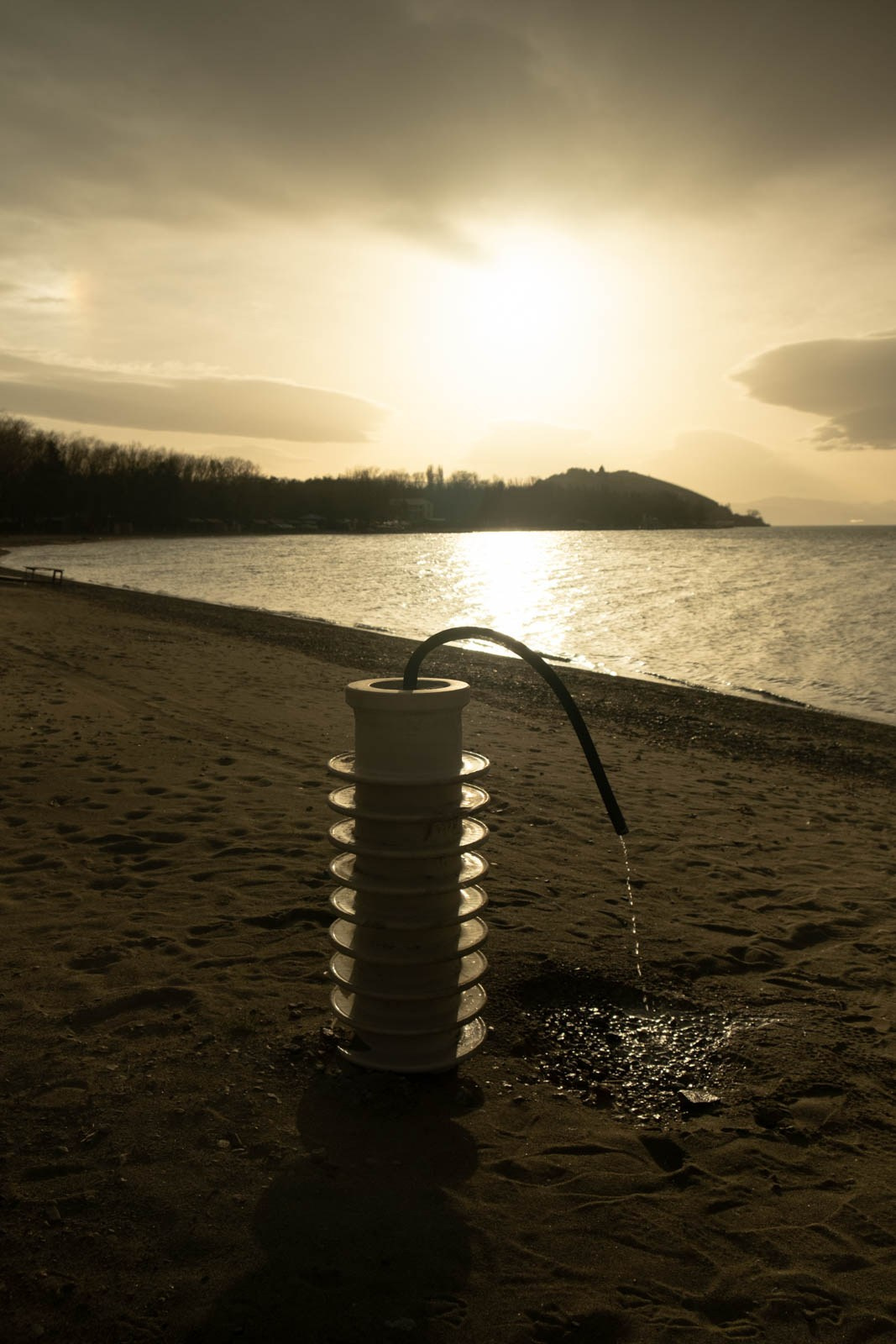
Lake Sevan:
Between Extraction and Survival
CONTEXT
In the 1930s, the Soviet authorities developed a program to use water from the lake for hydropower generation and for irrigating agricultural lands in the Ararat plain.
The irrigation area covered about 80,000 hectares—roughly comparable to the area of New York City. Despite protests from some scientists, preliminary calculations called for lowering the lake’s water level by 50 meters.
By the 1960s, it had become clear that implementing such a plan was both dangerous and irrational. By that time, the water level had already dropped by about 20 meters, dramatically reshaping the shoreline.
The former Sevan Island, with its historic monastery, gradually became connected to the mainland and turned into a peninsula. This was not a symbolic shift but a physical one. The geography of the lake was rewritten within a single generation.
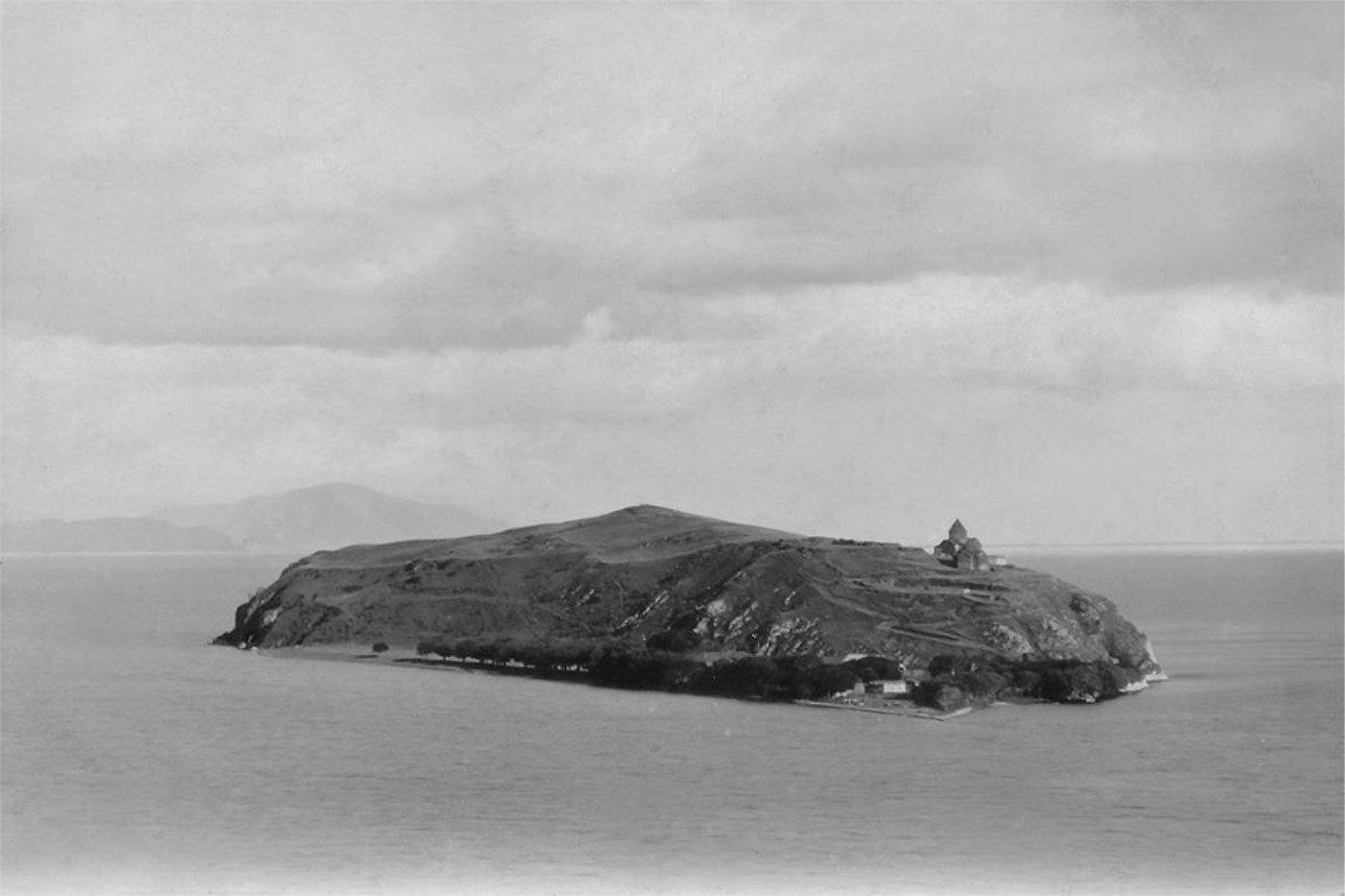
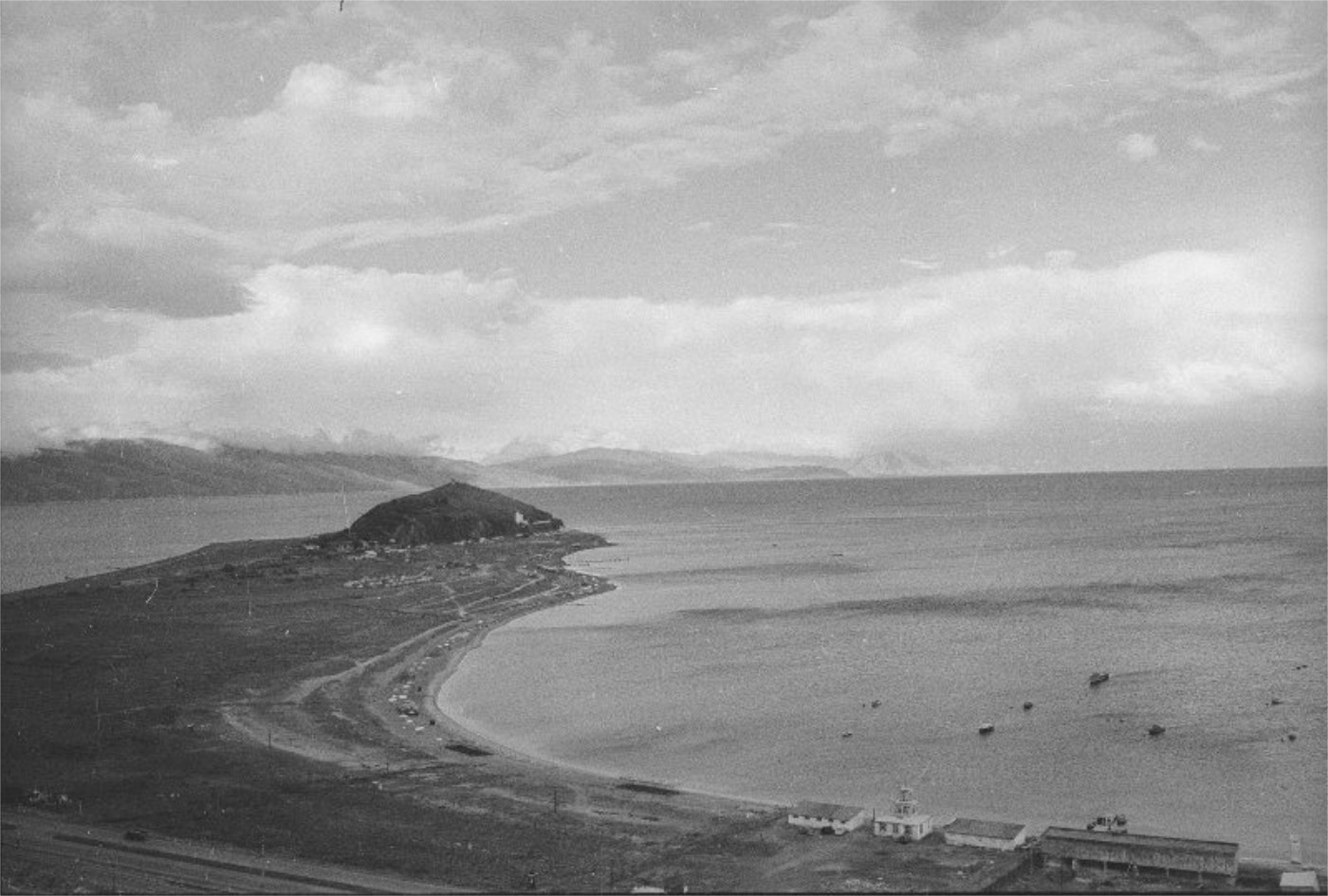
Since the 1980s, efforts have been made to reverse the decline of Lake Sevan.
Water diversion projects such as the Arpa-Sevan tunnel and new environmental legislation helped stabilize and gradually raise the lake level. However, ecological degradation continued, revealing long-term consequences of earlier interventions.
Attempts to raise the water level
led to flooding of coastal forests,
houses and infrastructure, and the
rotting of organic matter began.
SHORELINE
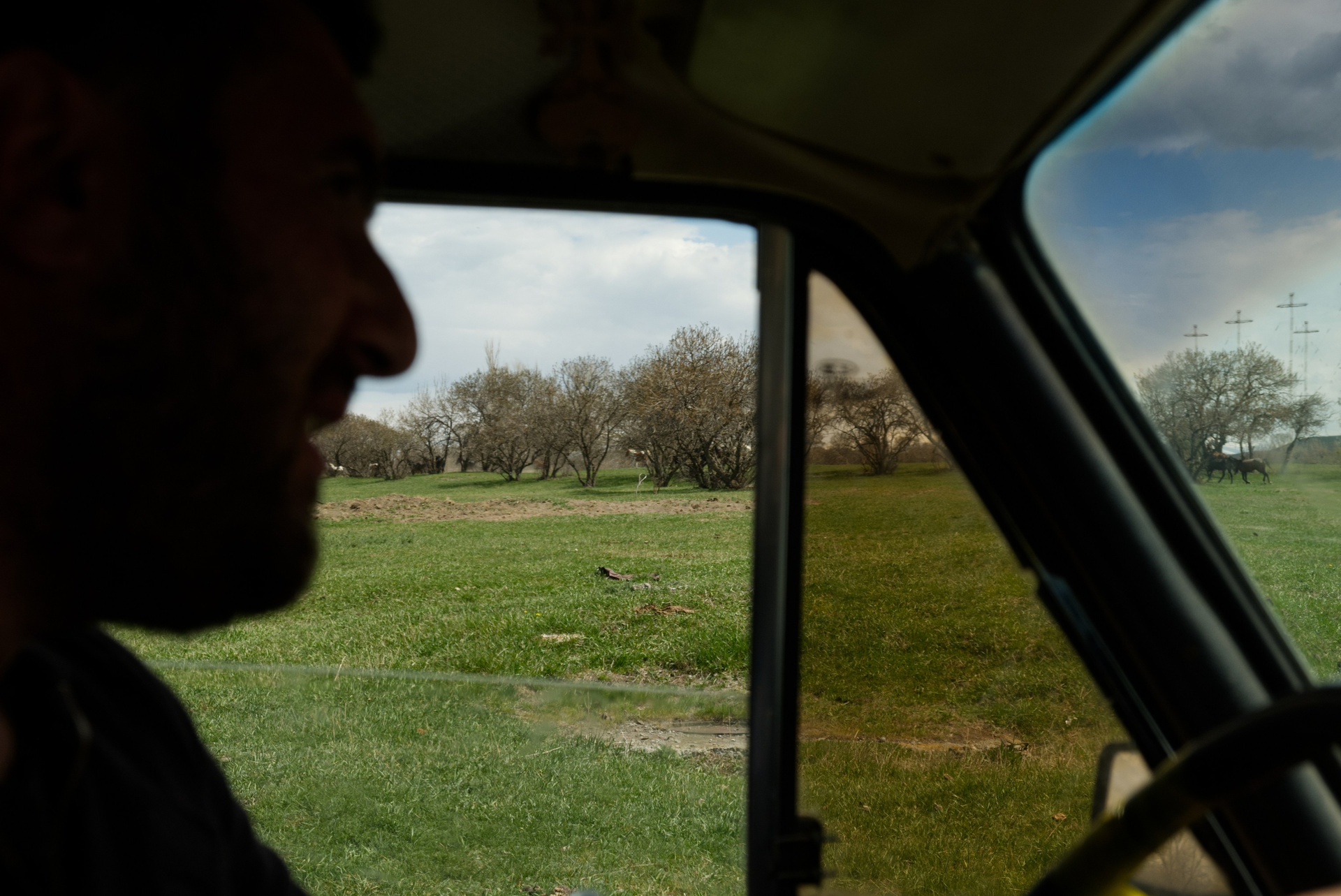
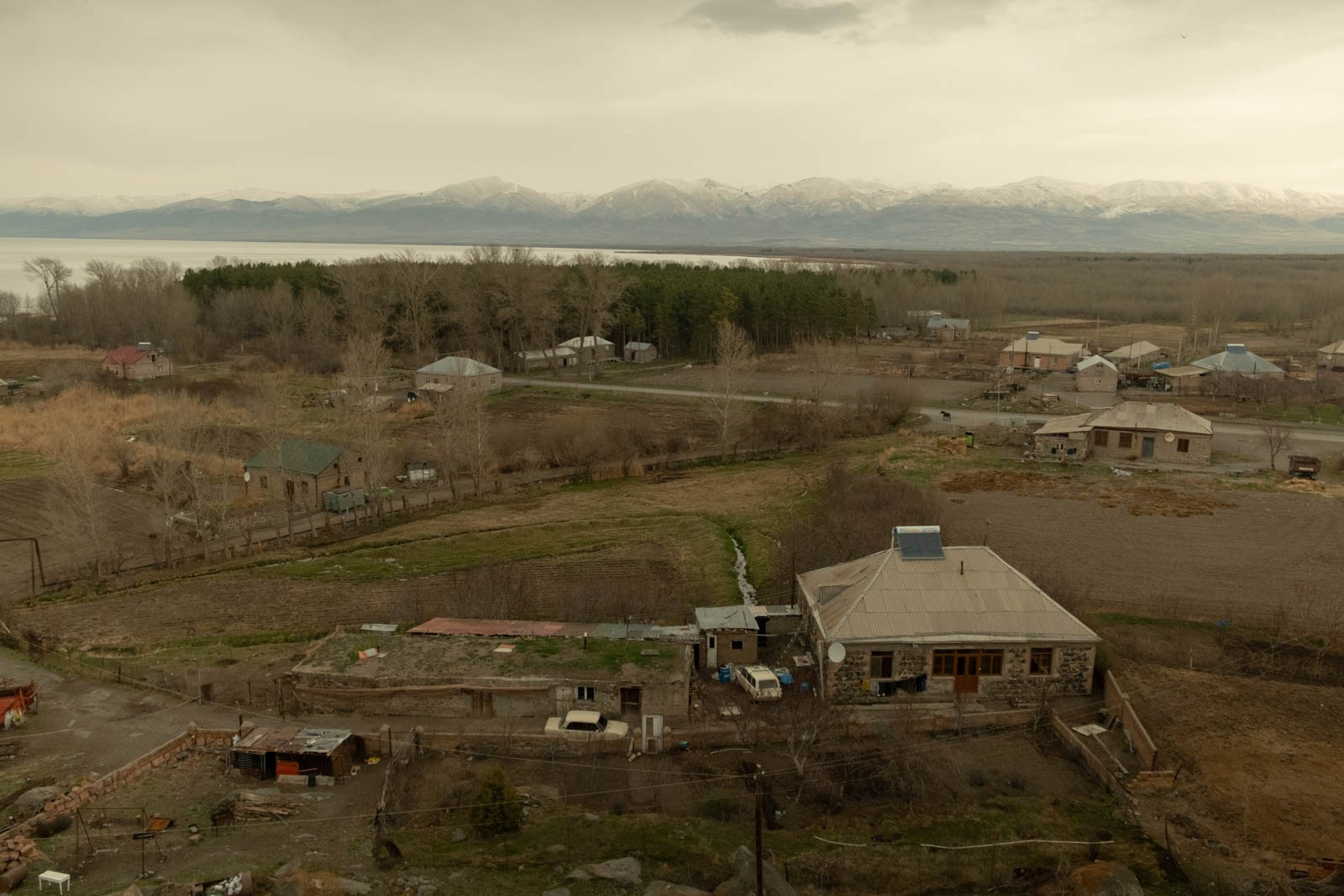
Walter owns a plot of land where he grows wheat. He says that about eighty years ago, the shoreline of Lake Sevan lay much closer to this spot. Historical bathymetric maps, used by researchers to reconstruct the lake’s former shoreline, confirm the extent of this shift.


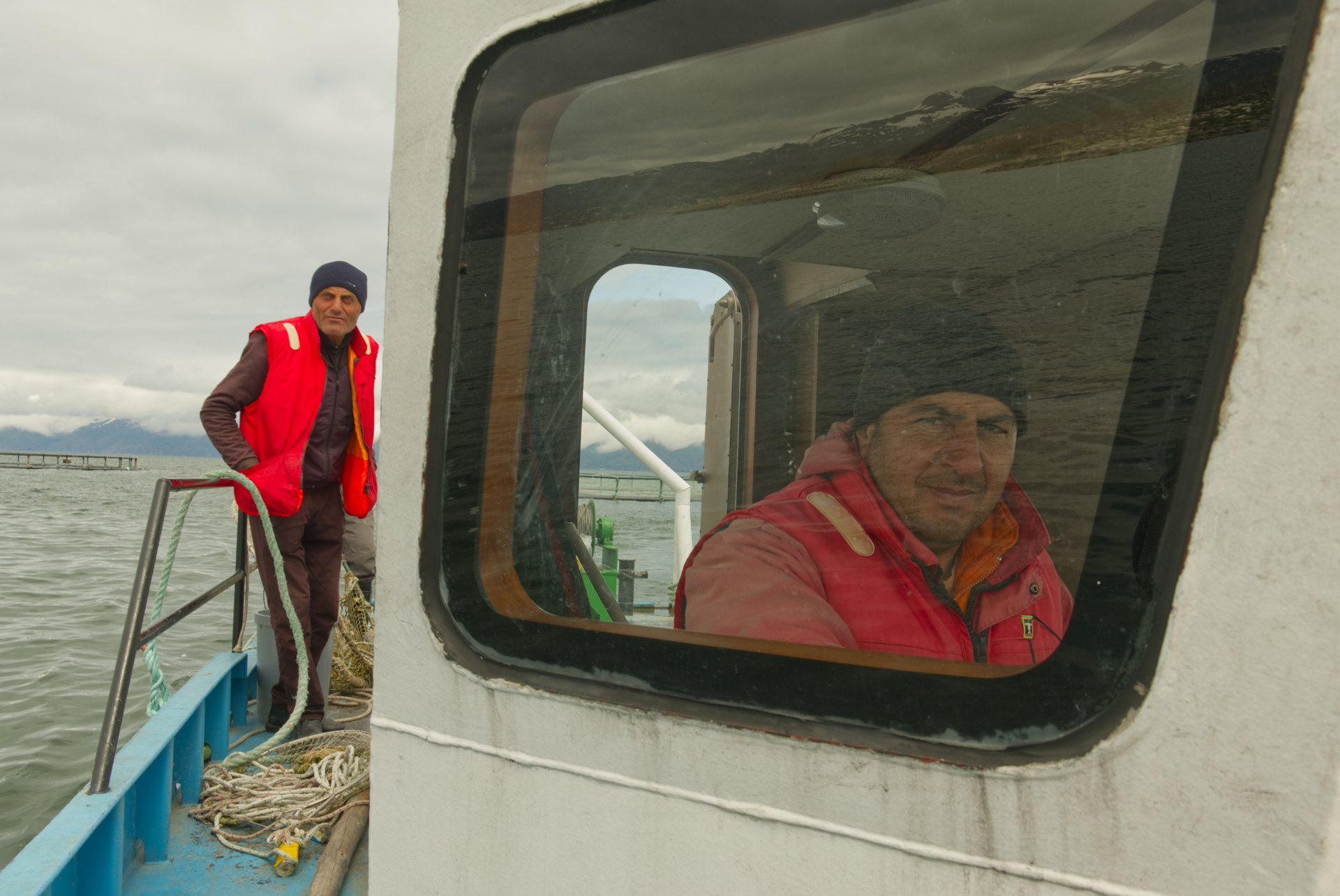
In the 20th century used to be four types of trout in Sevan: winter ishkhan, summer ishkhan, bojak, and gegharkuni.
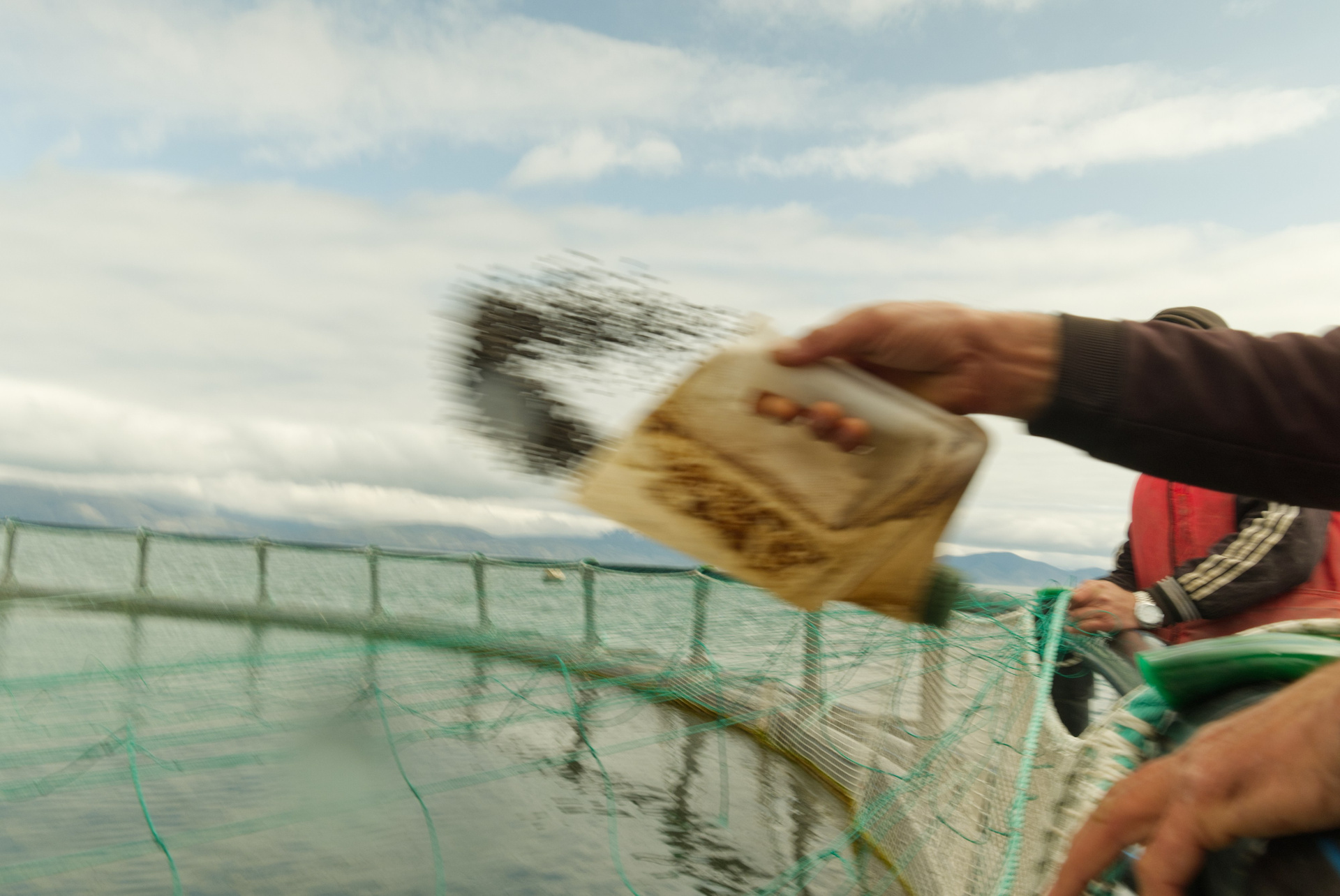
As a result of changes in the ecological balance of the lake, the spawning grounds of the winter ishkhan and bojak were destroyed or drained.
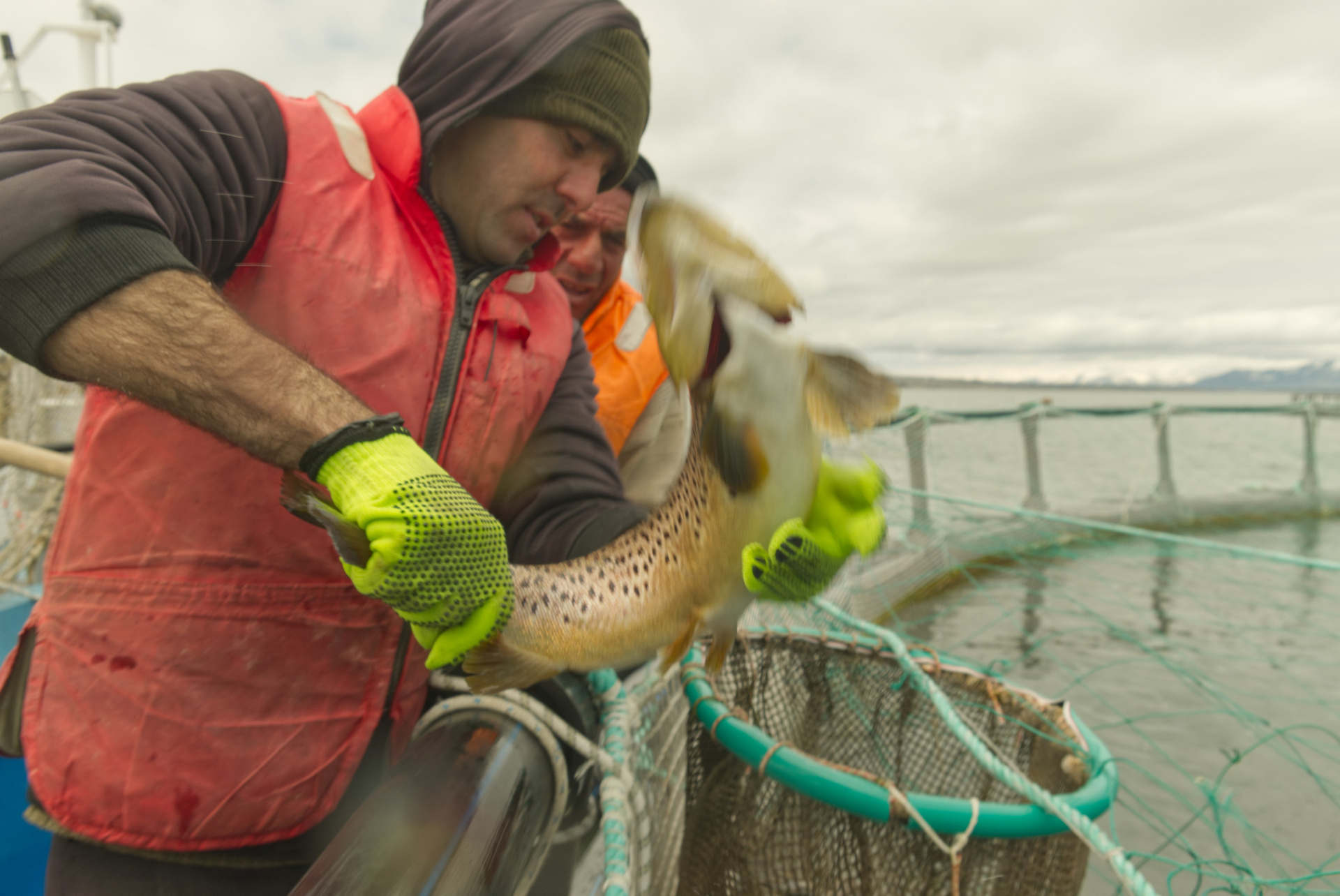
“We maintain the populations of gegharkuni and summer ishkhan through artificial reproduction in our pools” — explains Artak, an employee at the Sevan trout restoration center.







MODERN PROBLEM
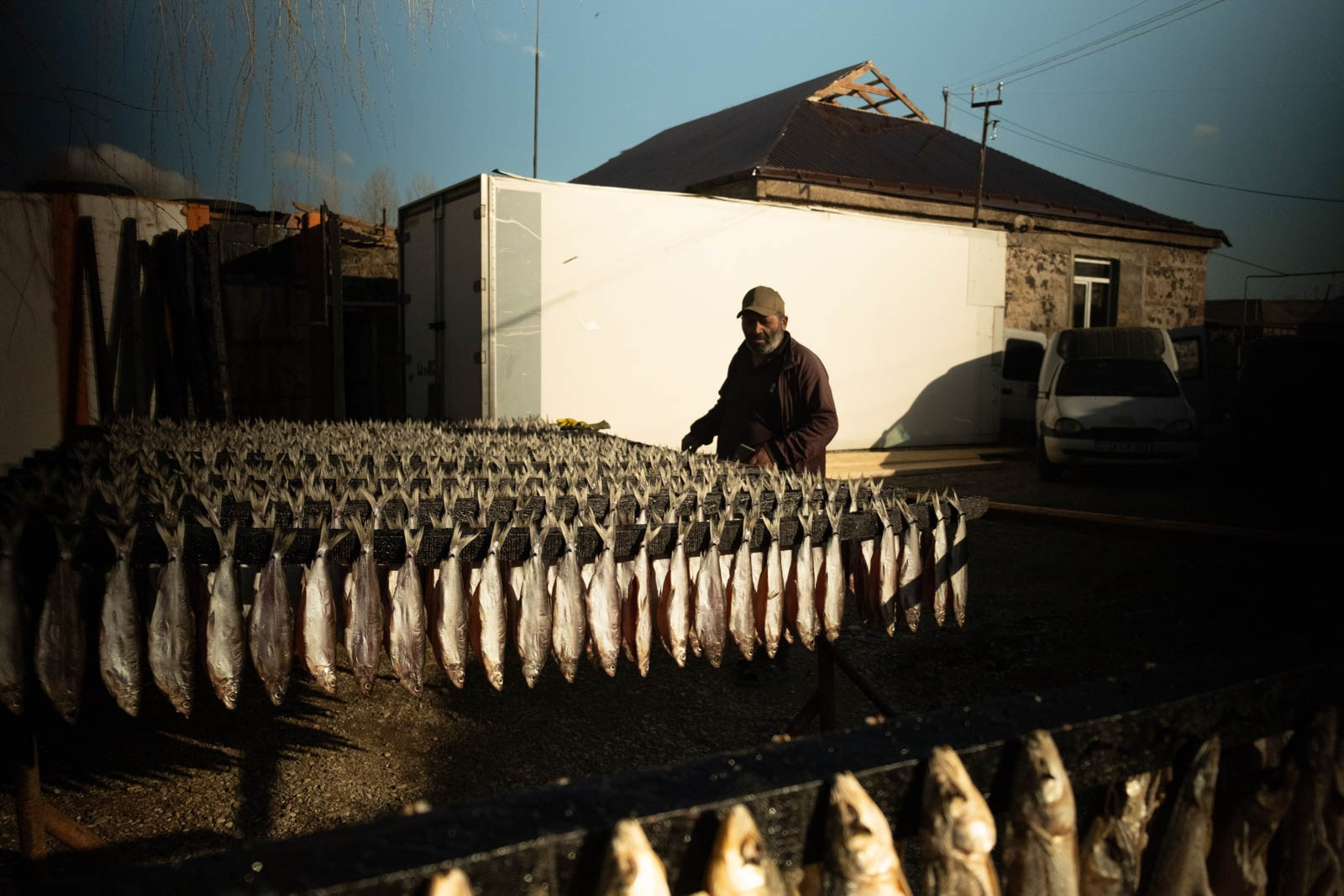
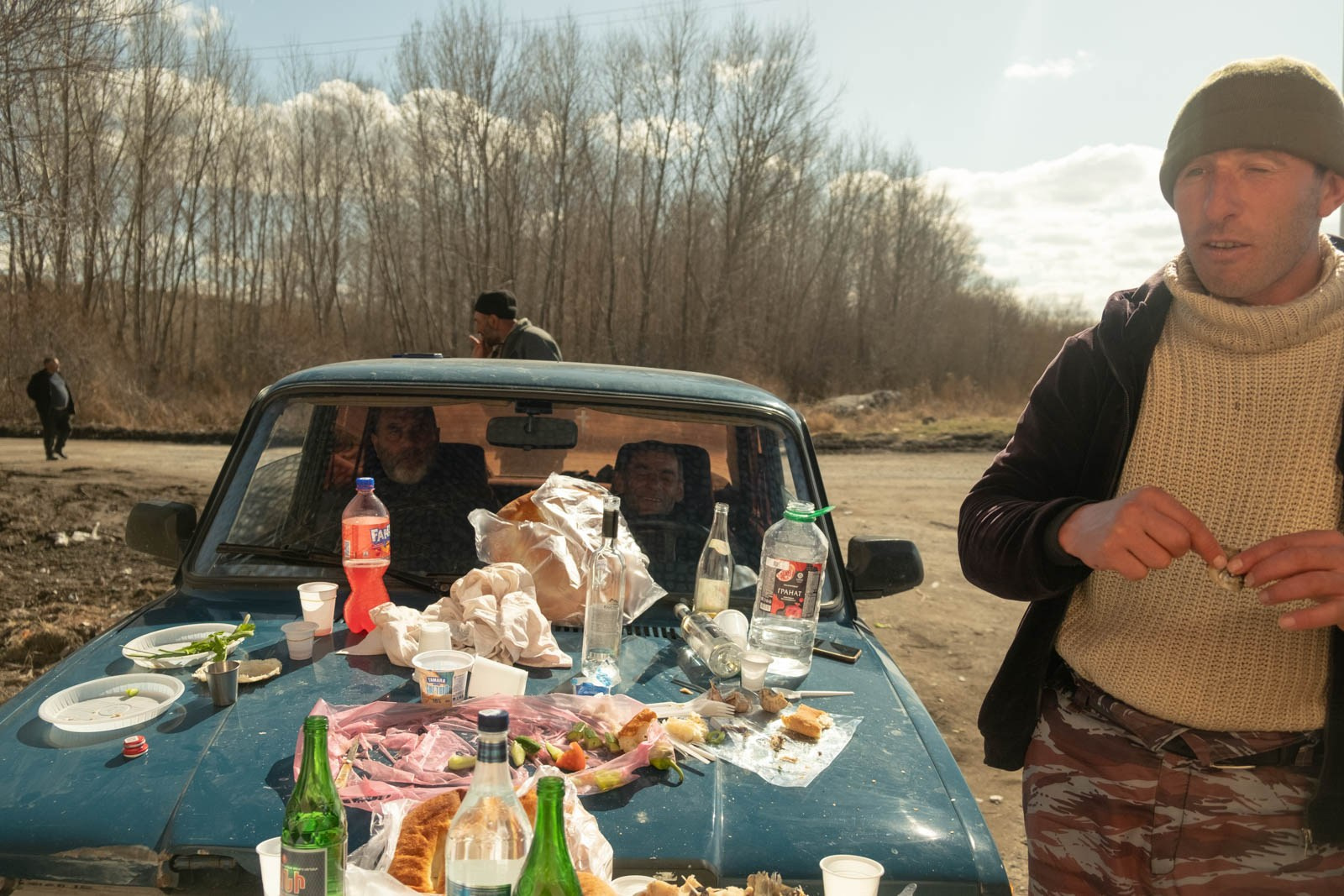
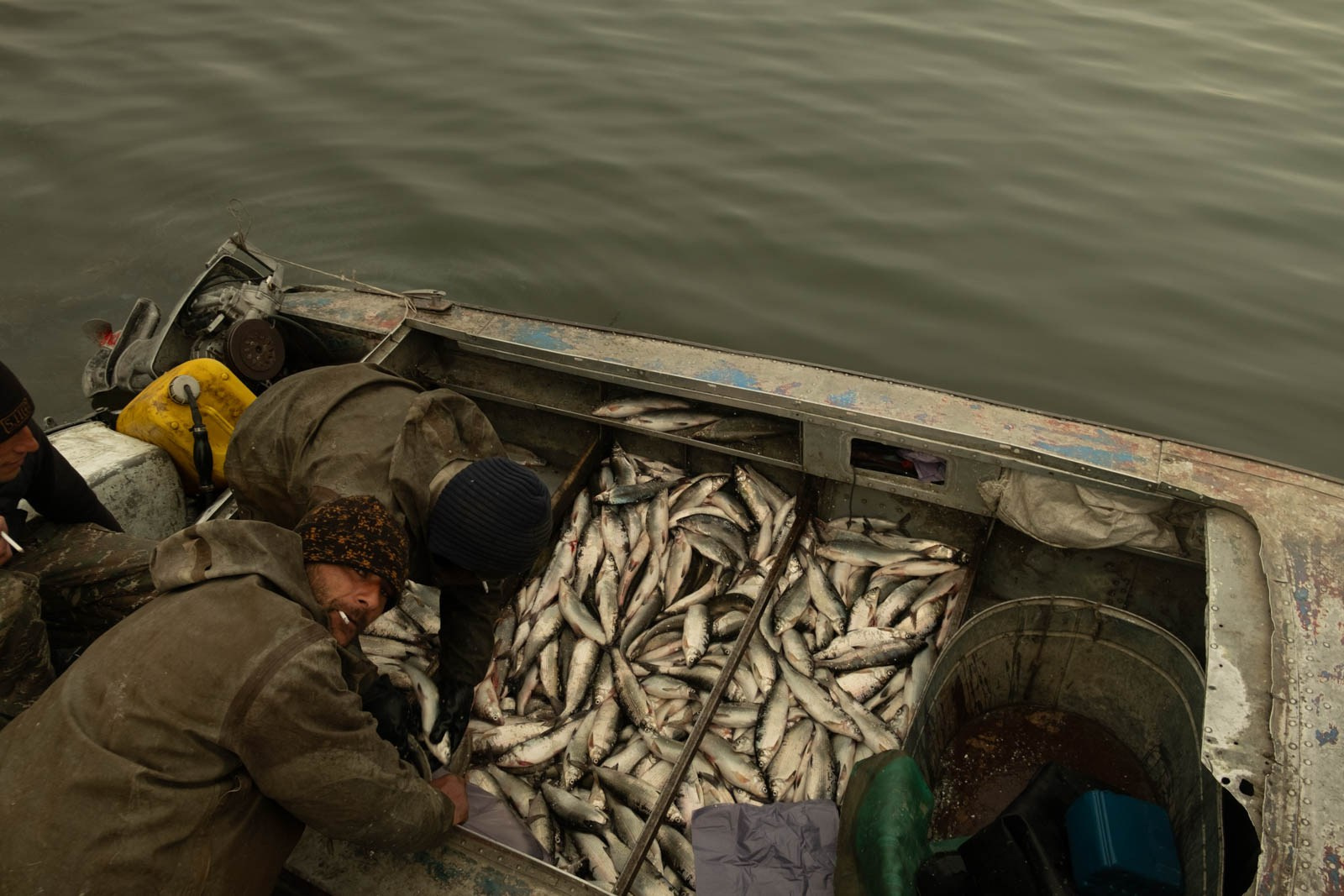
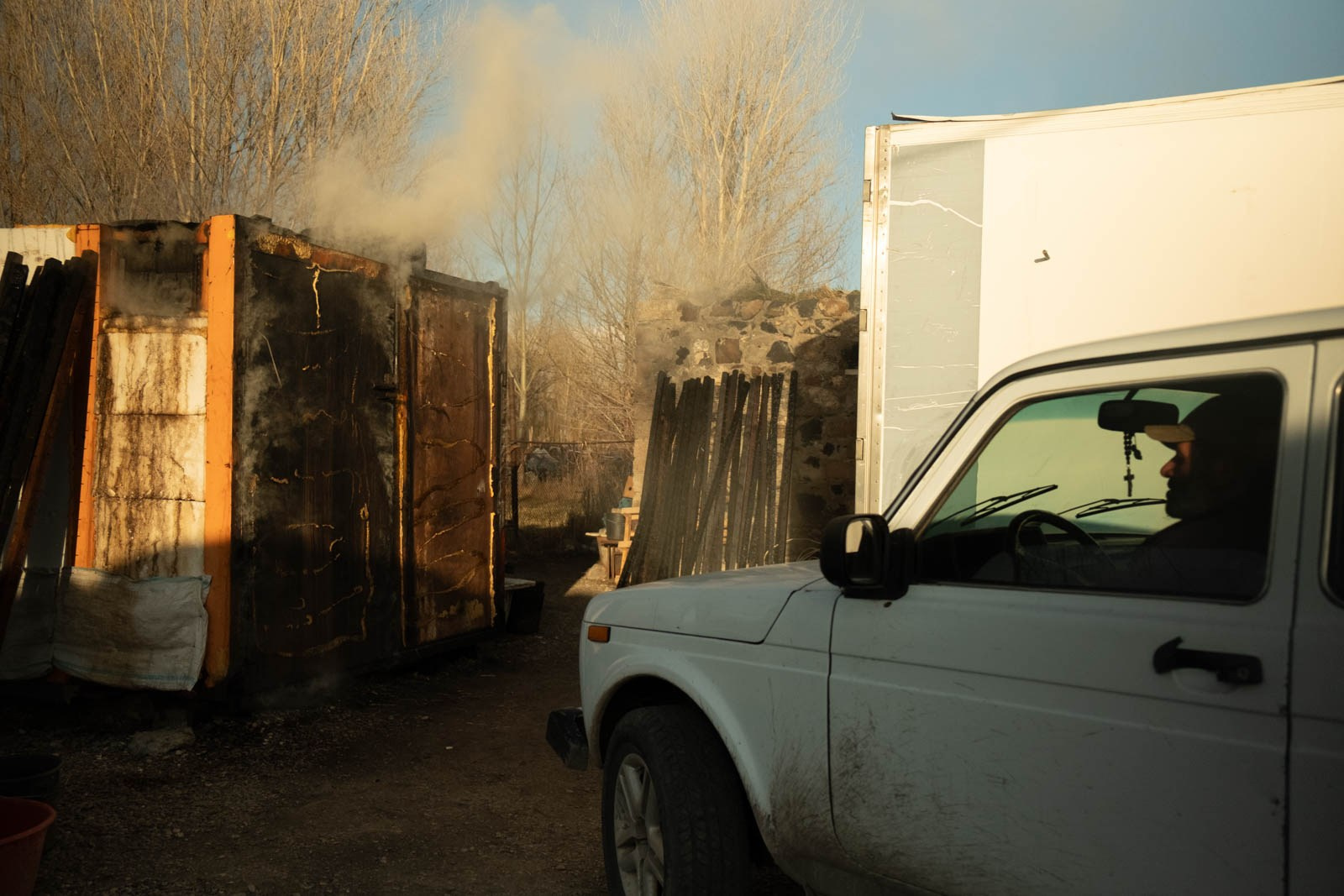
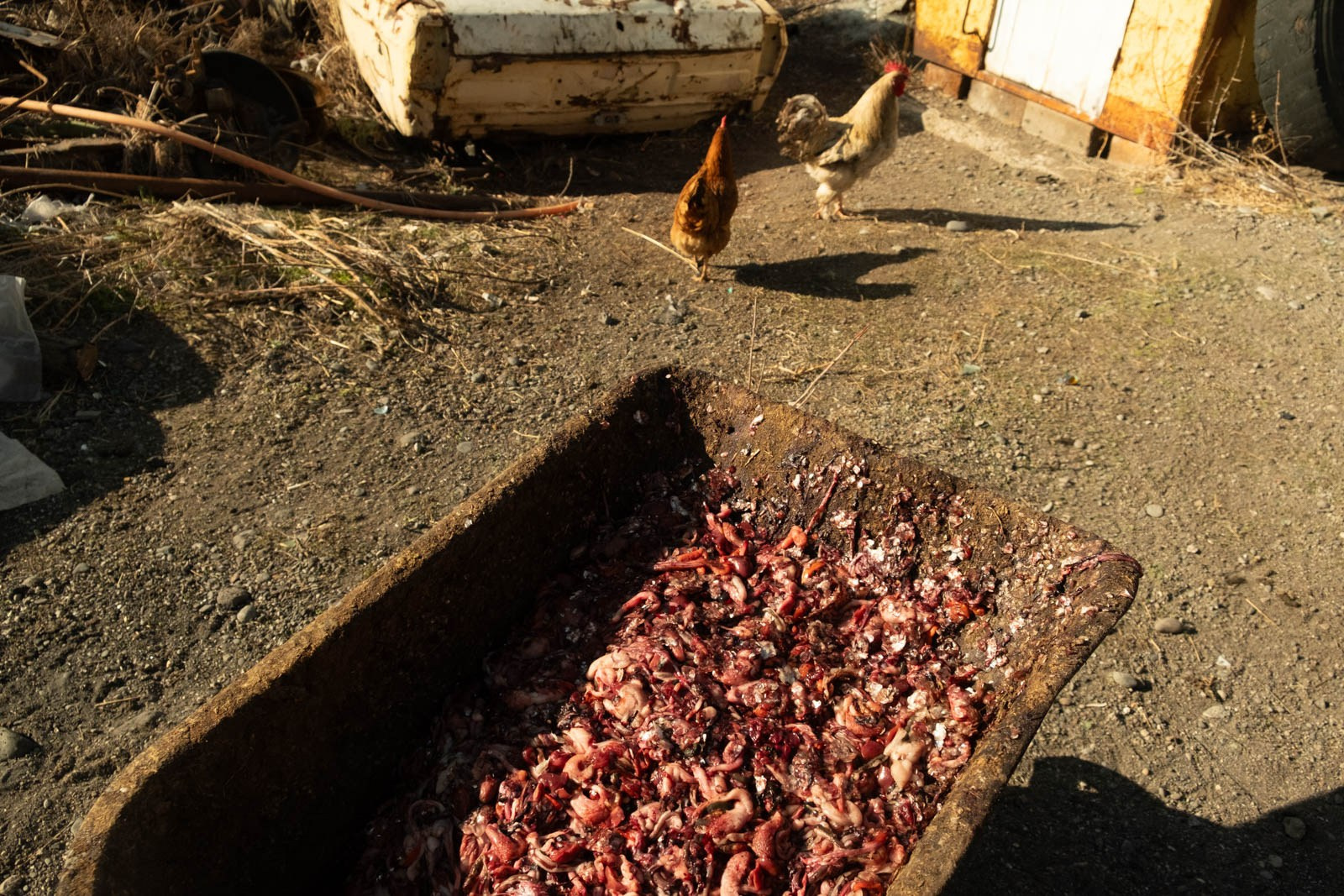
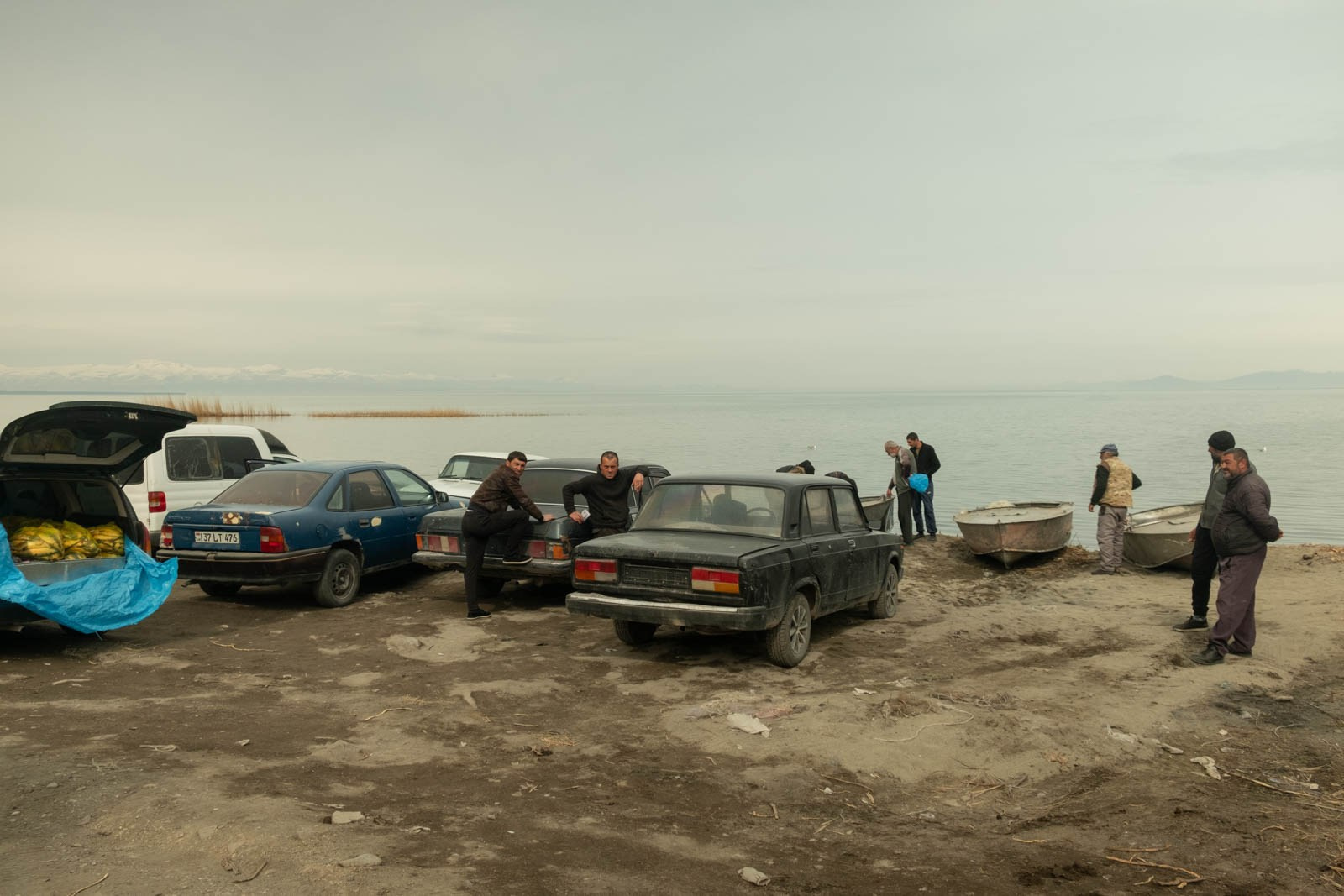
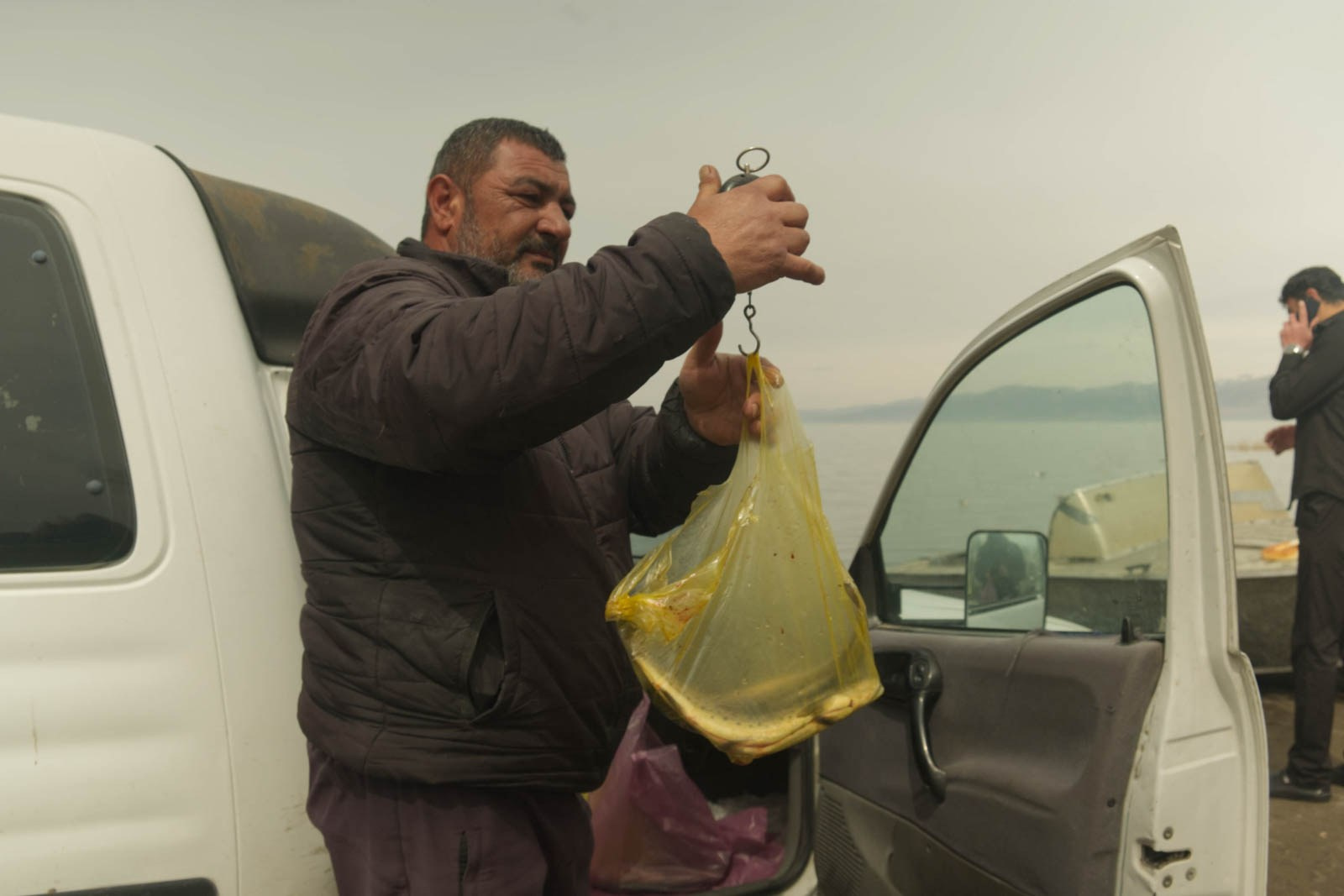
There are fishing standards for Lake Sevan established by the state. Due to the lack of control on the shore, a conflict situation arises: a lot of fish come to shore and this is beneficial to local residents, but at the same time, overfishing harms the ecosystem of the lake.
GARBAGE ON THE SHORE
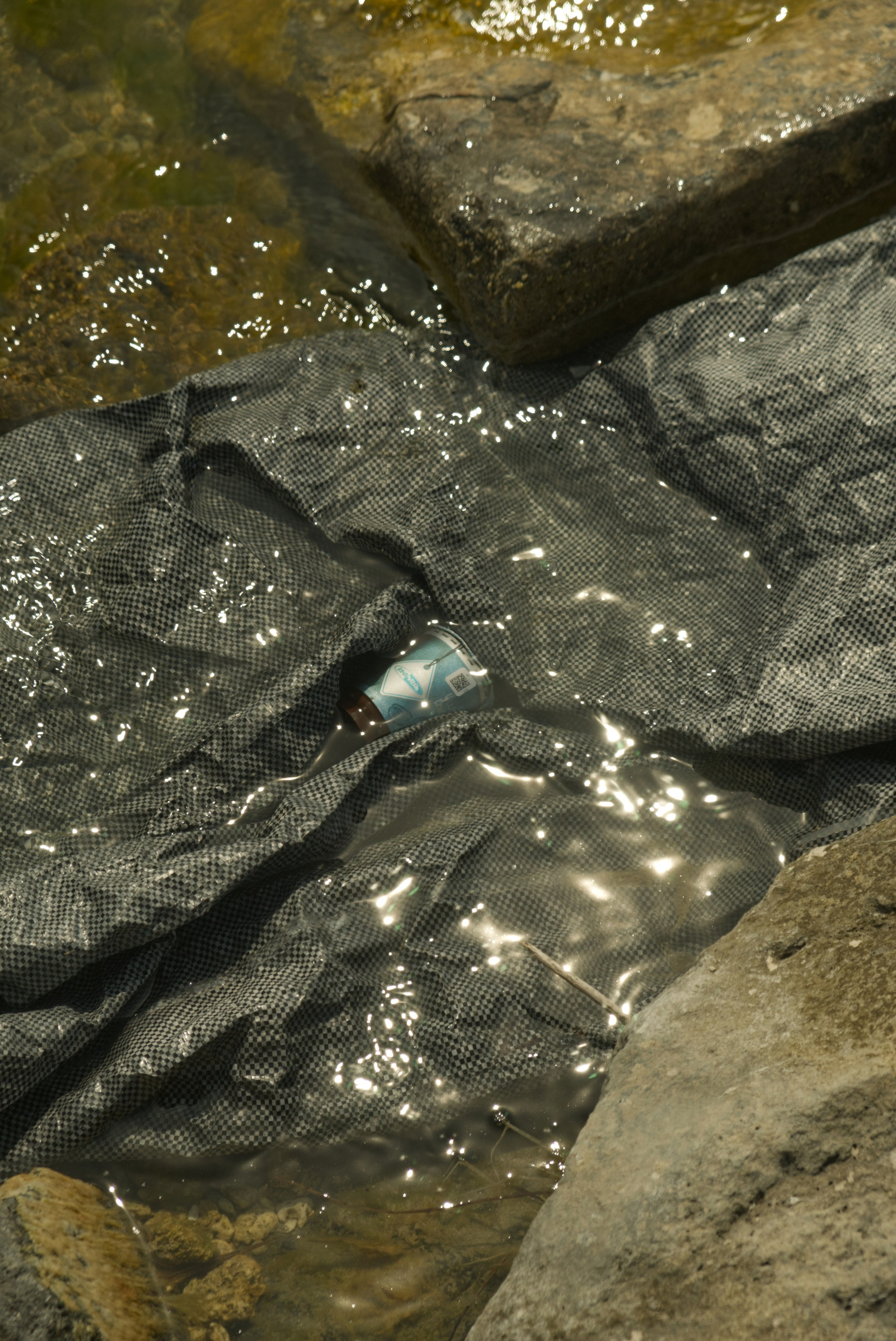
Along the shores of Lake Sevan, household waste has become part of the landscape. Limited waste infrastructure management and a lack of environmental awareness efforts lead to the accumulation of garbage in coastal areas, increasing pressure on the lake’s ecosystem.
A more significant threat comes from insufficiently treated wastewater entering the lake and its tributaries. The resulting influx of nutrients fuels eutrophication, promotes cyanobacterial blooms, and disrupts the ecological balance of the lake.
Environmental experts warn that the long-term consequences of past interventions continue to affect Lake Sevan. Without intervention and control, these processes could make the lake increasingly unsuitable for both aquatic life and surrounding ecosystems, while undermining its importance for local communities.
In a worst-case scenario, the lake could gradually take on characteristics of a marsh-like ecosystem.
At the same time, Lake Sevan reflects broad environmental challenges — where water systems, climate, and human activity intersect — making it relevant beyond the region itself.